Article — Medical aesthetics
Understanding CE classification for aesthetic medical devices
The CE mark has become more demanding since the EU Regulation 2017/745 (MDR) came into force. For the aesthetic physician, understanding a device's classification is not optiona…
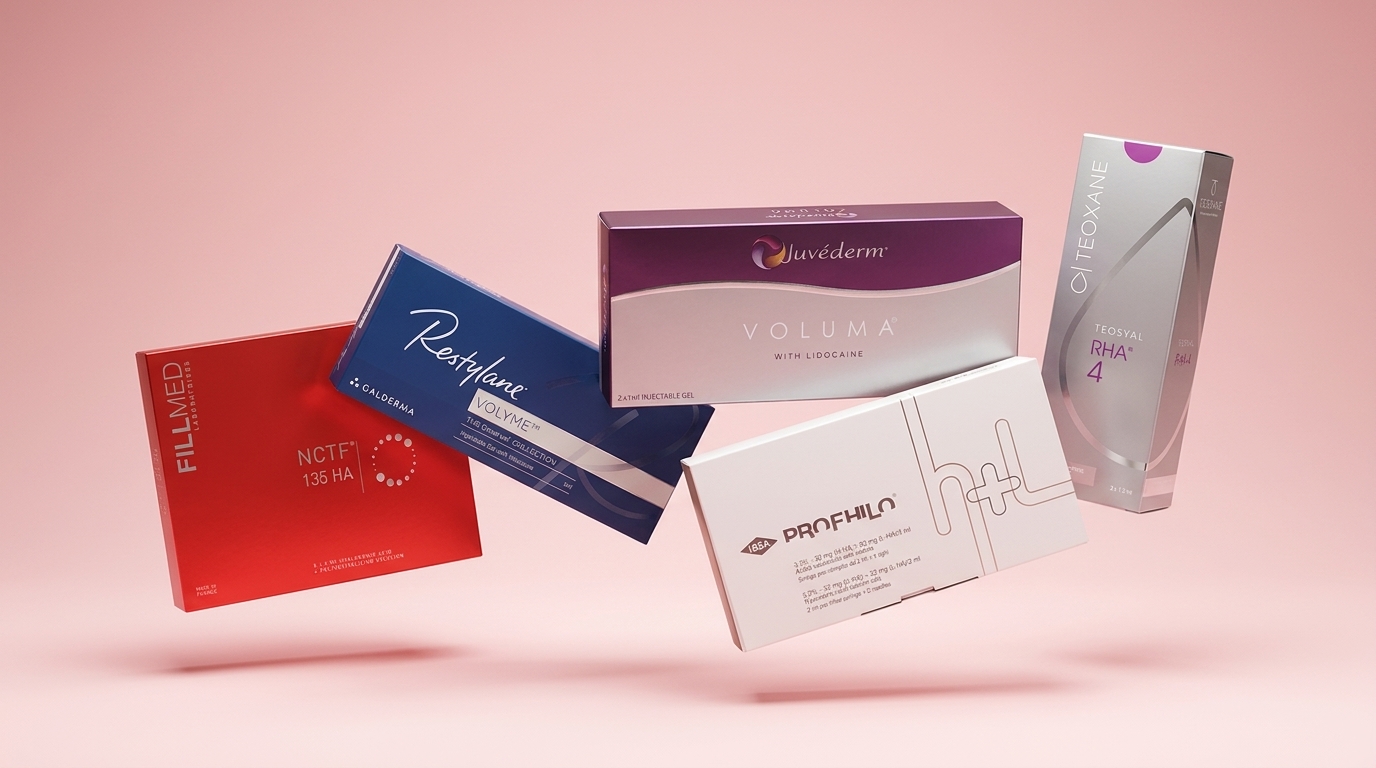
The CE mark has become more demanding since the EU Regulation 2017/745 (MDR) came into force. For the aesthetic physician, understanding a device's classification is not optional — it is a deontological duty and a legal safeguard.
The four risk classes
- Class I — low risk (gauze, examination tables).
- Class IIa — moderate risk (cannulas, needles).
- Class IIb — significant risk (Class 4 lasers).
- Class III — high risk (HA fillers, toxins, permanent implants).
UDI and traceability
Each device must carry a Unique Device Identifier readable in EUDAMED. The clinic must archive the UDI in the patient file.
Conclusion
The CE mark is the cornerstone of patient safety. HMD Distribution sells only CE-class-III devices with complete UDI and notified-body certificates available on request.
Filler Distribution
B2B distributor of hyaluronic acid fillers, biostimulators and aesthetic medical devices. CE-direct sourcing, full UDI traceability, secure logistics.
Related articles
- Mesoestetic: Complete guide to the Cosmelan, Dermamelan, Mesopeel and c.prof ranges
Sourcing dermo-cosmetic solutions and aesthetic medical devices requires absolute rigor from healthcare professionals and clinic managers. Faced with a growing demand for target…
- Hyaluronic Acid Lip Fillers: Comparison of 6 Premium Products 2026
The sourcing of injectable medical devices requires rigorous selection, particularly for the labial area. Healthcare professionals and buyers in aesthetic clinics look for hyalu…
- Injection protocols : mapping facial areas
Mastering zonal anatomy is a non-negotiable prerequisite for natural, lasting results. This guide summarises HA injection protocols by area, as validated by European injection s…